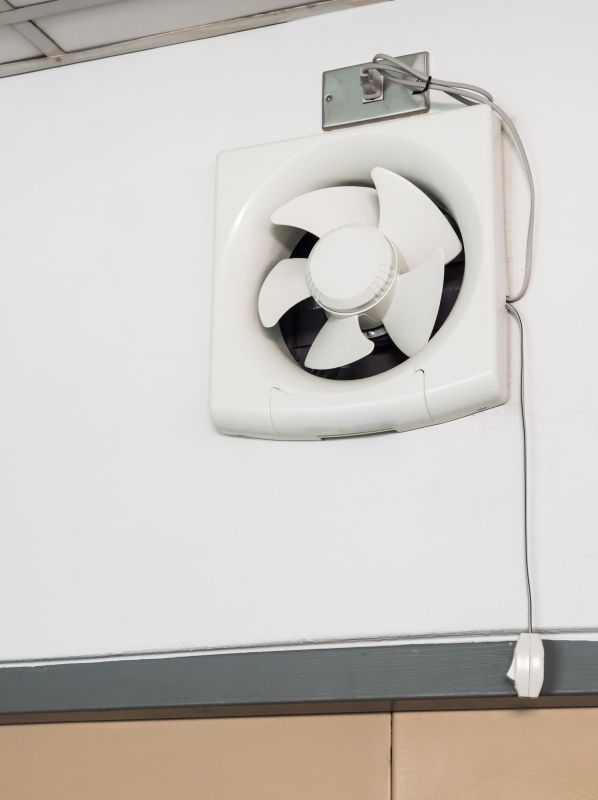
Bathroom Fan Wiring in Denver County, CO
Bathroom fan wiring services involve installing, repairing, or upgrading the electrical connections that power bathroom exhaust fans. These projects typically include ensuring proper wiring for ventilation fans, whether for new installations, replacements of outdated units, or upgrades to more efficient models. Property owners often want to understand the scope of wiring work required, the compatibility of existing electrical systems, and any necessary permits or safety considerations before proceeding with a project.
Homeowners and property owners usually seek guidance on how bathroom fan wiring impacts overall electrical safety and efficiency. They may inquire about the type of wiring needed, the placement of switches and timers, and how to ensure the fan operates correctly with other bathroom electrical components. Clear information about these aspects helps in planning a safe, functional, and code-compliant setup for effective bathroom ventilation.
Many property owners in Denver County, CO look into Bathroom Fan Wiring for repairs, replacements, upgrades, and appearance-related improvements.
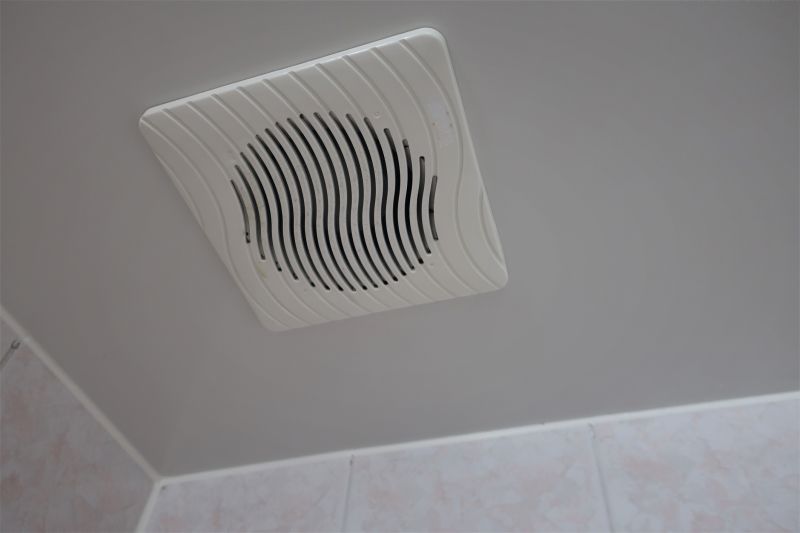
Bathroom Fan Wiring Basics
Proper wiring ensures safe and reliable operation of bathroom ventilation systems.
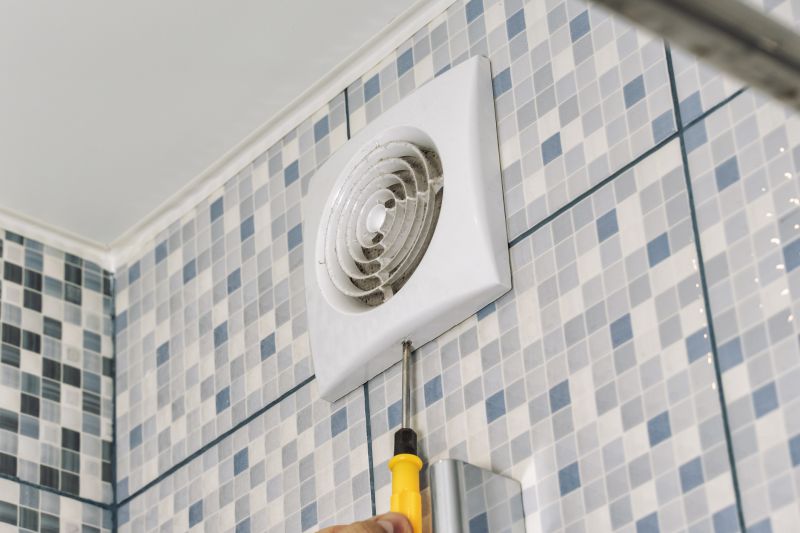
Upgrading Bathroom Fan Circuits
Upgrading wiring can improve efficiency and meet current electrical codes in denver county, co.
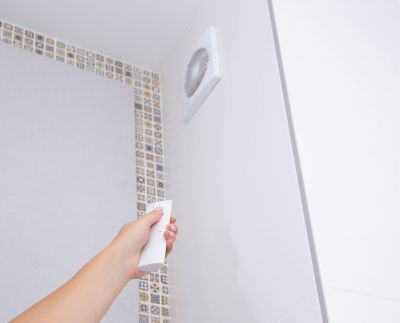
Troubleshooting Wiring Issues
Identifying and resolving wiring problems helps prevent fan malfunctions and electrical hazards.
Bathroom Fan Wiring in Denver County, CO

Bathroom fan wiring services involve installing, repairing, or upgrading the electrical connections that power bathroom exhaust fans. These projects typically include ensuring proper wiring for ventilation fans, whether for new installations, replacements of outdated units, or upgrades to more efficient models. Property owners often want to understand the scope of wiring work required, the compatibility of existing electrical systems, and any necessary permits or safety considerations before proceeding with a project.
Homeowners and property owners usually seek guidance on how bathroom fan wiring impacts overall electrical safety and efficiency. They may inquire about the type of wiring needed, the placement of switches and timers, and how to ensure the fan operates correctly with other bathroom electrical components. Clear information about these aspects helps in planning a safe, functional, and code-compliant setup for effective bathroom ventilation.
Many property owners in Denver County, CO look into Bathroom Fan Wiring for repairs, replacements, upgrades, and appearance-related improvements.
Common Bathroom Fan Wiring Jobs
Bathroom fan wiring involves installing or upgrading electrical connections for ventilation systems.
Exhaust fan wiring ensures proper operation and safety for bathroom ventilation.
Ceiling fan wiring includes connecting fans to existing switches and power sources.
Timer and switch wiring allows for convenient operation and energy efficiency of bathroom fans.
Rewiring services address outdated or faulty wiring to improve safety and performance.
Troubleshooting wiring issues helps identify and resolve problems with bathroom ventilation systems.

Bathroom Fan Wiring Questions
What is involved in wiring a bathroom fan? Wiring a bathroom fan typically includes connecting the fan to a power source and installing a switch, ensuring proper grounding and code compliance.
Can existing wiring be used for a new bathroom fan? Sometimes existing wiring can be adapted, but it should be inspected to confirm it meets the electrical requirements for the new fan.
Is a dedicated circuit needed for a bathroom fan? Many installations require a dedicated circuit to ensure safe operation and to meet electrical codes.
What should property owners know before wiring a bathroom fan? Proper wiring involves following electrical standards, ensuring adequate ventilation, and possibly installing a GFCI outlet for safety.
Request Bathroom Fan Wiring in Denver County, CO
Use the quote form on this page to share the basics of your project and request more information for the type of work you need.